Real Plast
pvc furniture costpvc furniture pricepvc furniture imagespvc furniture sheet pricebedroom pvc furniturepvc furniturepvc furniture costpvc furniture pricepvc furniture imagespvc furniture sheet pricebedroom pvc furniturepvc furniture

Article Information

  • Article Title : PVC vs uPVC - Where to us...
  • Category : PVC Tips
  • Published Date : 30 May, 2022
  • Author : Real Plast
PVC vs uPVC - Where to use them and Why?

Comparison between PVC and uPVC. PVC (polyvinyl chloride) is a common, strong, yet lightweight construction material. Plasticizers are used to make it softer and more flexible. It is referred as as uPVC if no plasticizers are applied.

In Construction


PVC is a flexible plastic that is used to make a wide range of pipework. In plumbing, larger PVC pipes are frequently utilised to distribute non-potable water. PVC piping can also be used to insulate electrical lines.
In construction, uPVC is used to replace wood, such as in double-glazed window frames and window sills, as well as in vinyl siding in the United States. It is a versatile material that may be manufactured in a variety of colours or designed to resemble other materials (e.g., wood). uPVC is also utilised instead of cast iron for certain types of heavy-duty plumbing and draining.

uPVC vs. PVC Pipes


PVC is utilised as a replacement for copper and aluminium pipes and is used in waste lines, irrigation systems and pool circulation systems. It is easy to cut into smaller pieces and can be secured with adhesive, giving it an excellent alternative to metal.

The majority of plastic pipes in the world are made of uPVC, which is extremely resistant to chemical erosion and has smoother inner walls that promote water flow. It also operates well in a wide variety of temperatures and operating pressures. Because it is extremely robust, rigid, and cost-effective, it is frequently used for sewage lines and external drainage pipes. Even yet, uPVC piping is significantly less frequent in the U.S., where PVC piping is favoured.

PVC and uPVC are not used to transport drinking water. Instead, cPVC (chlorinated polyvinyl chloride) is used.

Windows


Although some manufacturers may refer to their uPVC windows as "PVC," it is not used for window frames. Instead, window frames are made of uPVC, which does not degrade and is weather-resistant.

Under normal weather conditions, uPVC will not change shape, however it can be reshaped at extremely high temperatures. Windows made of uPVC are more energy efficient than those made of wood or metal. uPVC is also suitable for door frames and conservatories.

Other Uses


PVC pipes, which are small and narrow, are sometimes encountered in medical equipment. PVC is also found in leather-like or waterproof apparel, vinyl flooring, shoes, toys, automobile interiors and car cables, shower curtains, and a variety of other plastic items.

Because uPVC poses less health risks, it is commonly used in medical and dental equipment. Dental retainers, for example, are frequently made of uPVC.

Durability


PVC is less durable than uPVC because it is engineered to be softer and more flexible than many other polymers. Both plastics, on the other hand, are resistant to sunshine, oxidation, and a wide range of chemicals. The capacity of PVC piping to endure sunlight makes it more useful than ABS pipes in several cases.

Cost


Many PVC and uPVC goods are inexpensive to produce, which is why they are included in such a wide range of low-cost items.

PVC pipe can be purchased by the length or by the weight. The more expensive the piping is, the thicker it is. PVC pipe, on the other hand, is incredibly inexpensive, with several 10-foot lengths costing less than INR 600.00 each.

Safety and Risks


In a fire, PVC-coated wires can produce HCl vapours, which can be harmful to one's health. Plasticizers from PVC may seep into the environment. 

PVC's flexibility is due to phthalates. Over the years, several phthalates used in PVC have been restricted or outlawed, while many others have been substituted with safer phthalates. Some of the more typically prohibited or restricted phthalates include dibutyl, benzyl butyl, and DEHP. 

To date, there have been no widespread concerns about the usage of uPVC, which is free of phthalates and BPA.

Disposal


PVC and uPVC are not biodegradable. uPVC, on the other hand, is a recyclable material that can be reformed into new goods or pipes at extremely high temperatures.
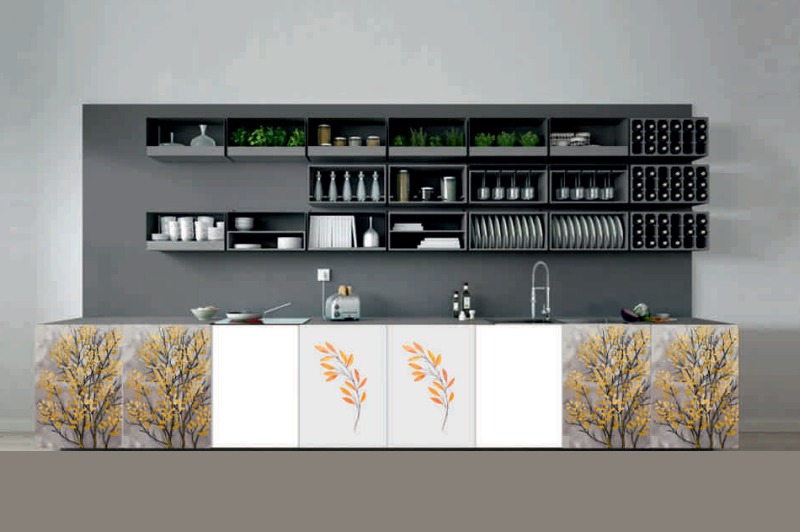
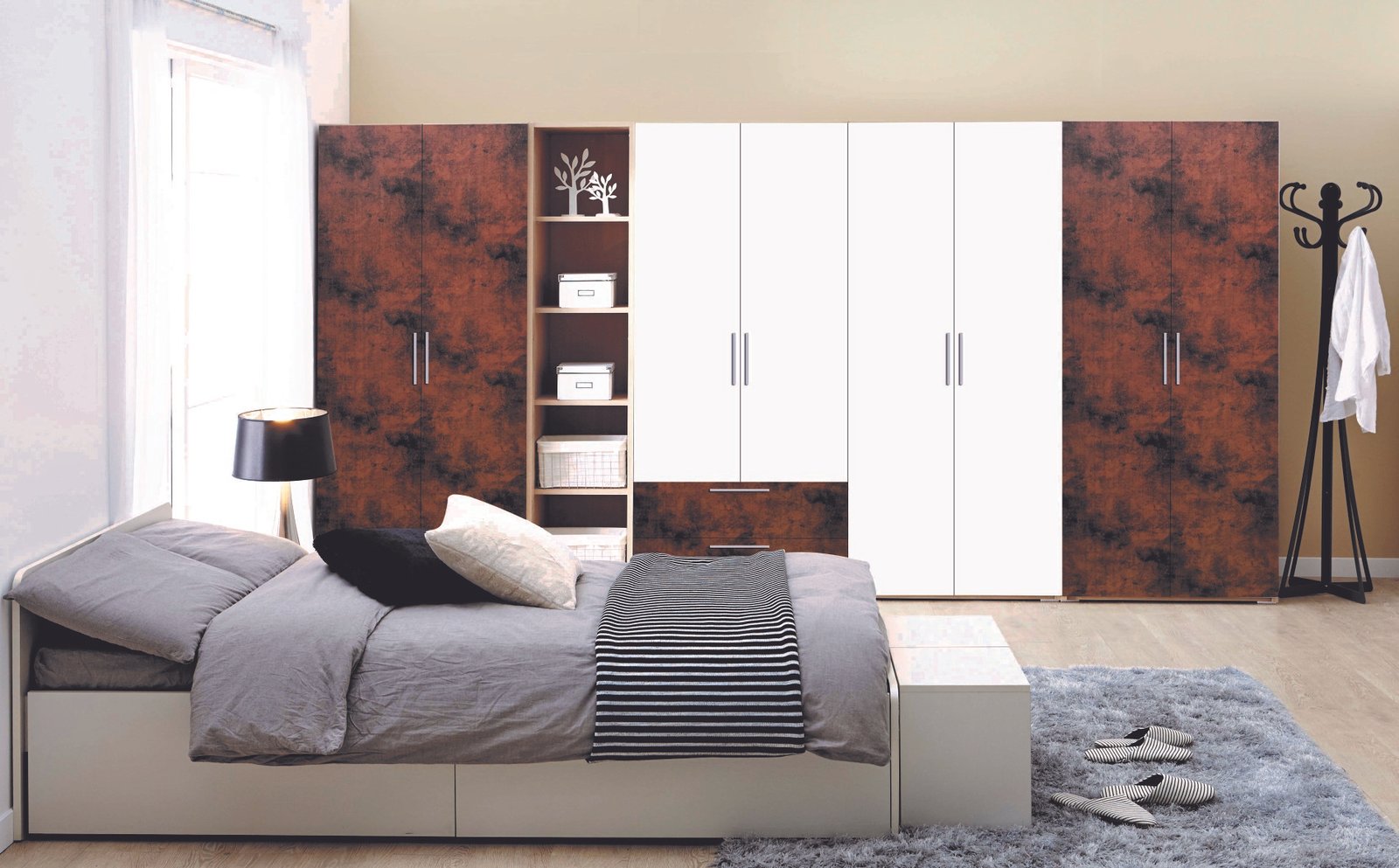
Gallery Images

Frequently Asked Questions

Our Frequently Asked Questions section provides quick answers to the most common queries about our services, process, and experience. Explore these insights to better understand how we work and what you can expect when partnering with us.

Yes, our drive for excellence and insatiable commitment to customer satisfaction has led us to be accredited with ISO 9001:2015. We have established the industry's standard for quality, range, and service, ensuring that every product leaving our Tajpur facility meets high international standards.

Wood is a priceless gift, but tree planting has decreased. We provide an immediate solution by using UPVC, a wood substitute. In a single lifecycle, using our recycled and recyclable UPVC products can save multiple trees. By choosing us, you are choosing to preserve the planet for our children.

We offer a wide range of color combinations and aesthetic looks. Customer reviews frequently praise our "best product and colour combination in the market." Whether you need a modern look or a classic finish, we have design options to match your dream household interior.

Our products are engineered for strength, reliability, and durability. The UPVC profiles are manufactured using imported, state-of-the-art technology. Customer testimonials on our site mention using our modular kitchens for over 5 years with excellent performance regarding the material and waterproofing.

We have a strong pan-India presence. Currently, Real Plast is available in over 100+ cities through a network of 1 company-owned store and over 1,000+ dealers. Please check our website or contact us to find a dealer near you.

Yes, safety is a priority. Our UPVC modular furniture is manufactured with "Fire Retardant" materials. This property helps resist ignition and slow the spread of flames, adding a crucial layer of safety to your home or office environment.

Real Plast is synonymous with pocket-friendly interior solutions. We offer a diverse range of unrivaled products that are both ecologically aware and affordable. Many customers have completed full 2BHK home interiors within budget (e.g., ₹50,000), proving that you don't need to "burn your pockets" to get high-quality, beautiful interiors.

Yes, "Termite Proof" is a key feature and benefit of our UPVC modular furniture. Since UPVC is a synthetic material derived from plastic and vinyl, it is not a food source for termites and other borers, eliminating the risk of infestation that is common with natural wood and standard ply.

Absolutely. Our modular kitchens are manufactured using UPVC which is 100% Water Proof and Moisture Proof. This makes them ideal for wet areas like kitchens. Unlike plywood, our material will not swell, warp, or rot when exposed to water, ensuring longevity and durability.

Yes, environmental preservation is at our core. We are an IGBC certified company committed to the green building movement. Our manufacturing uses recycled and lead-free UPVC, and we follow strict protocols to reduce, recycle, and reuse waste to prevent land and water pollution. We offer the widest range of green choices, including recycling services and green interiors.

UPVC is an excellent wood substitute. By choosing UPVC, you help save trees for future generations. Unlike wood, our UPVC products are 100% waterproof, moisture-proof, and termite-proof. They offer the aesthetic look of wood without the maintenance issues, and the material is fully recyclable, contributing to a lower carbon footprint.

Real Plast Pvt. Ltd., established in 2007, is a leading UPVC modular furniture manufacturer in India. We operate a state-of-art manufacturing plant in Tajpur (Prantij), Ahmedabad, with an installed capacity of 30,000 sq. feet per day. We specialize in high-quality UPVC modular furniture including kitchens, wardrobes, and home furnishings under the brand name "REAL PLAST".

Other Blogs

Samay

Samay

Read More


Download Catalog